Our Services
Paramedical tattoo: The Ultimate Guide
Paramedical tattoo is as diverse as it is healing.
Paramedical tattoo
Paramedical tattoo is where artistry meets healing. It is a specialized form of tattooing designed to restore the look of skin, soften the visibility of scars, and recreate features that may have changed after surgery, injury, medical treatment, or life events.
For many people, it is not about chasing perfection.
It is about feeling like yourself again, feeling comfortable in your skin, and having one less thing to think about when you get dressed, look in the mirror, or head out into the world.
This guide is meant to be comprehensive, supportive, and easy to understand. You will learn what paramedical tattoo is, what it can do, what it cannot do, and how to know whether you are a good candidate. We will cover scar camouflage, stretch mark camouflage, areola restoration tattooing, scalp micropigmentation, and more.
We will also explore treatments for trichotillomania and alopecia, cleft lip support that blends scar work with lip blush, and ways to approach scars from dog bites to facelift scars.
Table of Contents
What is Paramedical Tattoo?
Paramedical tattoo is a category of cosmetic and restorative tattooing focused on the skin. It uses pigment, color theory, and advanced techniques to help the skin look more even, to visually soften scars, and to recreate natural details such as the areola and nipple area after breast surgery.
It is called “paramedical” because it often supports people after medical experiences, but it is not a medical procedure. It is a specialty service, essentially cosmetic tattoo, performed by highly trained artists who understand pigment behavior, skin healing, scar tissue, and realistic results. It can be life changing, and it also requires honest, thoughtful expectations.
Paramedical tattoo can support many concerns, including:
Scar camouflage for surgical scars and injury scars
Areola restoration tattooing after mastectomy, breast reconstruction, breast lift, reduction, augmentation scars, and gender affirming top surgery
Scalp micropigmentation for thinning hair, alopecia, and trichotillomania
Skin feature restoration such as belly button restoration and toenail restoration
Support for facial scarring, including cleft lip scars and facelift scars
Scar support for traumatic events such as dog bites

Why people choose paramedical tattoo
People choose paramedical tattoo for many reasons, and the best ones are deeply personal.
Some want scars to blend more naturally with surrounding skin, so the scar stops being the first thing their eyes land on. Some want areola restoration after breast surgery because it brings a sense of wholeness. Some want scalp micropigmentation because hair loss has affected their confidence for years. Others want to feel more at ease in swimwear, in intimate moments, in photos, or simply when they catch their reflection.
Paramedical tattoo is also about choice. It gives you an option when you are ready. There is no timeline you have to follow. Some people know right away they want this part of their journey. Others come to it months or years later.
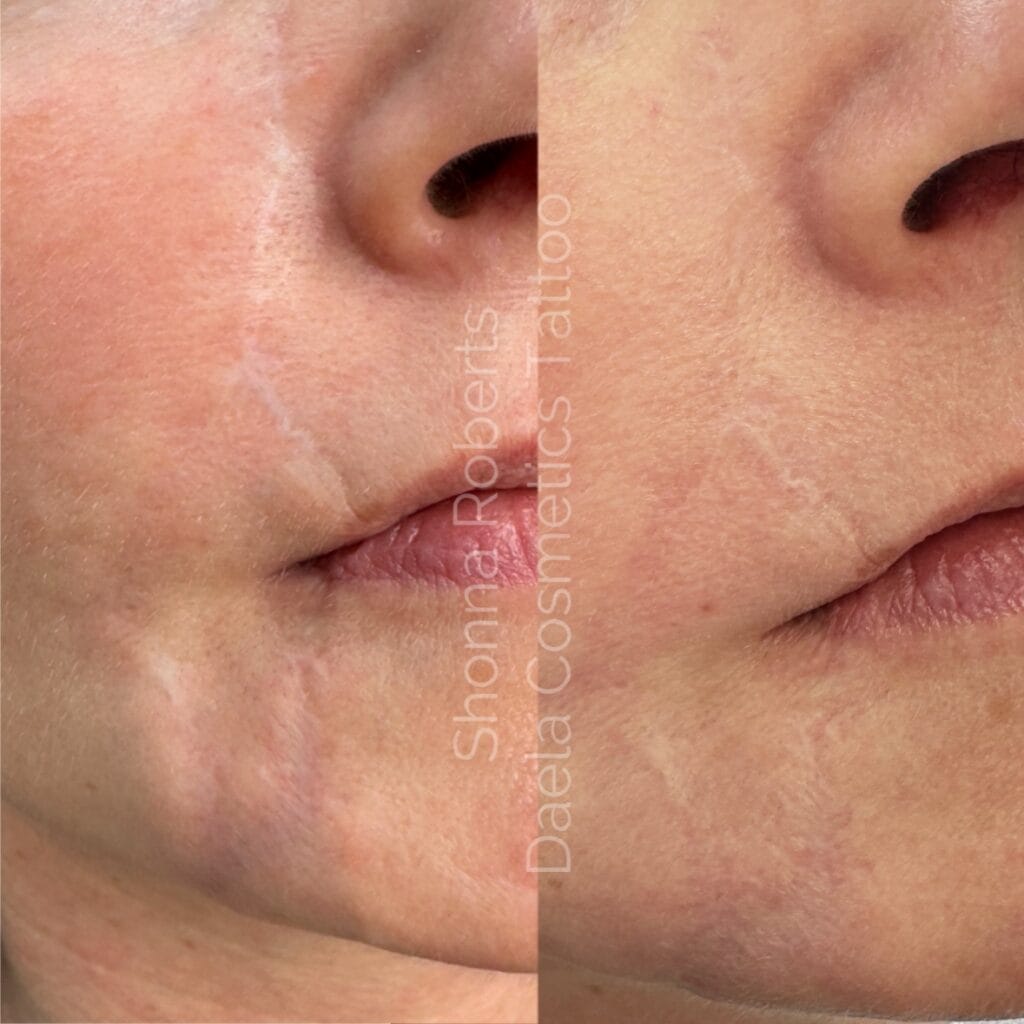
Scar camouflage tattoo
Scar camouflage is a paramedical tattoo technique that uses pigment to visually blend a scar with the surrounding skin tone. It does not erase the scar and it does not change the texture, but it can soften contrast and make the scar less noticeable at a comfortable conversational distance.
Scar camouflage is often used for:
Surgical scars such as C-section scars, tummy tuck scars, breast surgery scars, knee replacement scars, and other orthopedic scars
Injury scars from accidents or falls
Scars from burns once fully healed
Scars from dog bites or other traumatic injuries
Scars from facial procedures, including facelift scars
Cleft lip repair scars, when paired thoughtfully with additional techniques such as lip blush color support
Scar camouflage can be performed in different ways depending on the scar and skin:
Tone blending, where pigments are custom mixed to match the surrounding skin
Layering and gradual building, where results develop over multiple sessions
Color balancing, where the artist neutralizes certain tones within scar tissue before blending
A high quality scar camouflage plan starts with education and a realistic result vision that fits your scar, your skin, and your lifestyle.
What scar camouflage can help with
Scar camouflage is most helpful when the scar is lighter than the surrounding skin or has noticeable color difference. Many scars heal as a lighter shade. When pigment is placed thoughtfully, the eye reads the area as more uniform.
It can also help some scars that appear pink or red, once the scar is stable and calm. In those cases, the work may involve careful neutralization and blending over time.
What scar camouflage cannot do
Scar camouflage cannot:
Remove raised texture
Remove indentations
Remove sensitivity or nerve changes
Create a perfect match in every lighting situation
Replace medical care for scars that are still healing or changing
The goal is a softened visual appearance, not a dramatic transformation that feels disconnected from your natural skin.
Inkless serum treatments for scars
Not every scar needs pigment to move forward. In some cases, the most meaningful progress starts without ink at all.
Inkless scar revision treatments use targeted serums and advanced skin stimulation techniques to support the skin’s natural regenerative process. Instead of adding color, these treatments focus on improving the quality, texture, and overall appearance of the scar itself.
Inkless scar treatments are often used to:
Encourage smoother, more even-looking skin texture
Support collagen and elastin activity within scar tissue
Help soften tight or rigid scar areas
Improve how scar tissue blends visually with surrounding skin
These treatments can be especially helpful for scars that feel stiff, uneven, or visually distracting due to texture rather than color alone.
When inkless scar treatments are a great option
Inkless serum treatments may be recommended when:
A scar is still adjusting in texture, even though it is healed
The primary concern is texture rather than color contrast
The scar needs additional preparation before pigment camouflage
A client prefers a pigment-free approach
In many cases, inkless treatments are used as a standalone service. In others, they become part of a layered plan, preparing the skin so pigment camouflage can be more refined and even when it is added later.
Read more about inkless treatments here!
Inkless treatments and scar camouflage together
Inkless treatments and scar camouflage are not competing options. They often work beautifully together.
An inkless approach can help improve how scar tissue behaves, making it more receptive to pigment later. When combined thoughtfully, the result often feels more seamless, because both texture and tone are addressed over time.

Stretch mark camouflage tattoo
Stretch marks are incredibly common. They can come from pregnancy, growth spurts, weight changes, bodybuilding, hormonal changes, and everyday life. Stretch mark camouflage uses pigment to soften the color difference between stretch marks and the surrounding skin.
Stretch marks are a type of scar tissue, and they behave differently than unscarred skin. They can be thin, slightly textured, and more delicate. That is why stretch mark camouflage must be gentle, gradual, and customized.
Stretch mark camouflage often supports:
Abdomen stretch marks after pregnancy
Hips, thighs, and glutes
Breasts
Arms and shoulders
Who tends to do well with stretch mark camouflage
In general, stretch mark camouflage is best suited for stretch marks that are:
Fully healed and stable
Lighter than the surrounding skin
Not inflamed or actively changing
A thoughtful consultation matters here, because the right plan depends on stretch mark maturity, skin type, and your unique undertones.
Stretch mark camouflage and confidence
Many people seek stretch mark camouflage because they are tired of how their eyes go straight to that area. They want freedom in a swimsuit, in lingerie, in photos, or in their day to day mirror moments. This is not about fixing you. It is about supporting what you want to feel.
Inkless serum treatments for stretch marks
Stretch marks are a form of scar tissue, and they deserve the same thoughtful, customized care. While stretch mark camouflage tattoo focuses on color blending, inkless serum treatments focus on the skin’s structure and surface quality.
Inkless stretch mark treatments work by stimulating the skin in a controlled, supportive way while delivering targeted serums that encourage renewal. Over time, this can help stretch marks appear smoother, more even, and less visually prominent.
Inkless stretch mark treatments are often chosen to:
Improve the texture and feel of stretch marks
Support smoother transitions between stretch marks and surrounding skin
Help the skin look more uniform in different lighting
Create a stronger foundation for future camouflage tattoo, if desired
Learn about the benefits of inkless treatments here!
Who inkless stretch mark treatments are best suited for
Inkless stretch mark treatments can be a great option when:
Stretch marks are fully healed and stable
Texture is the main concern rather than color
A client wants a pigment-free approach
Stretch marks are being treated gradually as part of a long-term plan
Because stretch marks can vary greatly in depth, width, and location, inkless treatments are always customized. Some areas respond quickly, while others benefit from a series of sessions spaced out over time.
Combining inkless stretch mark treatments with camouflage tattoo
For some clients, the most satisfying results come from combining both approaches.
Inkless treatments can help soften and support the skin first. Once the area feels more even and responsive, stretch mark camouflage tattoo can be added to address color differences. This layered method often creates a more natural, blended result than using either technique alone.
This is a great place to internally link to:
Your stretch mark camouflage blog
Any inkless stretch mark or skin revision education pages
How inkless treatments fit into a paramedical tattoo plan
Inkless serum treatments reflect the same philosophy that guides all paramedical tattoo work: meeting the skin where it is, and choosing the approach that best supports long-term comfort and confidence.
Some people start with inkless treatments and never feel the need for pigment. Others use inkless work as a stepping stone toward camouflage tattoo. Both paths are valid.
A consultation helps determine:
Whether inkless treatments, pigment, or a combination makes the most sense
The best timing between sessions
How to sequence treatments for the most natural outcome
What matters most is that the plan feels aligned with your skin and your goals, not rushed or one-size-fits-all.
Areola restoration tattoo

Areola restoration tattooing recreates the appearance of the areola and nipple area, often after mastectomy and reconstruction, breast lift or reduction, augmentation scarring, or gender affirming top surgery. It can be 3D areola tattooing, which uses advanced shading and highlights to create realistic dimension, or it can be soft color restoration depending on your goals.
Areola restoration is deeply personal. For many, it marks a final chapter of healing. For others, it is a beginning of feeling at home again.
Areola restoration tattoo can support:
Post mastectomy reconstruction
Post lumpectomy scar support where shape and color have changed
Breast reduction and lift scars when the areola appearance has shifted
Breast augmentation scars around the areola
Gender affirming top surgery, including support for areola recreation and scar blending
Asymmetry and color changes when medically appropriate and fully healed
Meet Rasha Pecoraro; podcaster, model, and cancer servivor.
The role of artistry in areola work
Areola tattooing is not a stamp. It is custom color theory, soft transitions, and realistic detail that matches your skin tone and your natural look preferences. Each plan is shaped by:
Undertone and skin depth
Existing scar patterns and tissue behavior
Desired size, placement, and aesthetic
Long term aging considerations so results stay beautiful over time
Emotional readiness matters too
Some clients know right away they want areola restoration. Others need time, and that is completely understandable. This service should feel supportive and grounded, never rushed.
Combining areola restoration and scar camouflage for breast surgeries
Breast surgeries often leave more than one concern: the areola area may need restoration, and scars may feel visually prominent. Combining areola restoration with scar camouflage can create a more cohesive overall result.
This combined approach can be helpful after:
Mastectomy with reconstruction
Breast reduction
Breast lift
Breast augmentation
Revision surgeries and multiple surgeries over time
The planning usually follows a sequence. Scar tissue and reconstructed tissue need to be stable before pigment work begins. Often, scar camouflage is treated in stages, and areola restoration is designed to harmonize with the surrounding skin and scar pattern.
In many cases, the combination creates a result that feels complete because the eye reads the area as balanced rather than segmented into scar lines and different tones.
Combining areola restoration and scar camouflage for gender affirming top surgery
Gender affirming top surgery is a powerful, life shaping experience for many people, and the scars can carry meaning alongside everything they represent. Some people love their scars. Some want them softened. Some feel both, and that can be true at the same time.
Paramedical tattoo offers options:
Scar camouflage to soften contrast and help scars blend more naturally
Areola restoration or areola recreation if desired
Support for symmetry and overall balance in appearance
The right plan depends on scar type, maturity, and skin tone. The goal is always to honor your vision for your body.
Toenail restoration tattoo
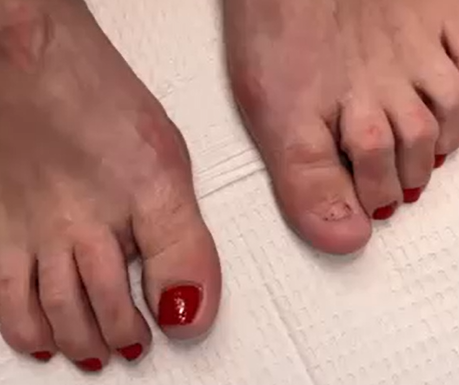
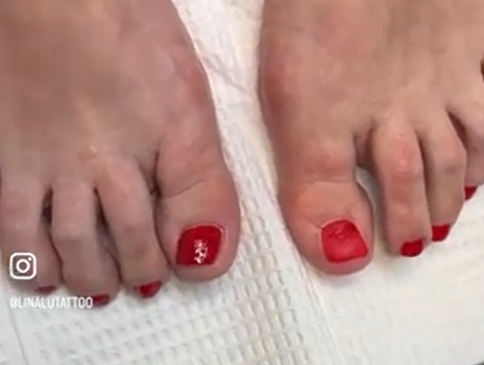
Toenail restoration tattooing is a specialized service that recreates the natural look of a toenail when the nail has been lost or changed due to trauma, surgery, or medical conditions that affect the nail bed. It can be especially meaningful for people who have avoided sandals or felt self conscious about their feet for years.
A realistic toenail restoration plan considers:
Skin tone and undertone around the nail bed
Nail shape and natural highlights
Whether the area is fully healed and stable
Footwear and lifestyle, because friction and exfoliation can affect longevity
Toenail restoration is one of those “small detail, big confidence” services. If you have a toenail restoration blog, link it here.
Belly button restoration tattoo
Belly button restoration is a restorative tattoo service that recreates the appearance of a natural belly button, often after surgeries that affect the abdomen. This can include tummy tuck procedures, reconstructive surgeries, and certain abdominal operations where the belly button’s appearance changes.
The goal is visual realism and softness. The approach often uses:
Shading to create natural depth
Color blending to soften scar lines
A design that fits your body shape and proportions.
Read more about belly button and toenail restoration tattoo!
Scalp micropigmentation, also called SMP
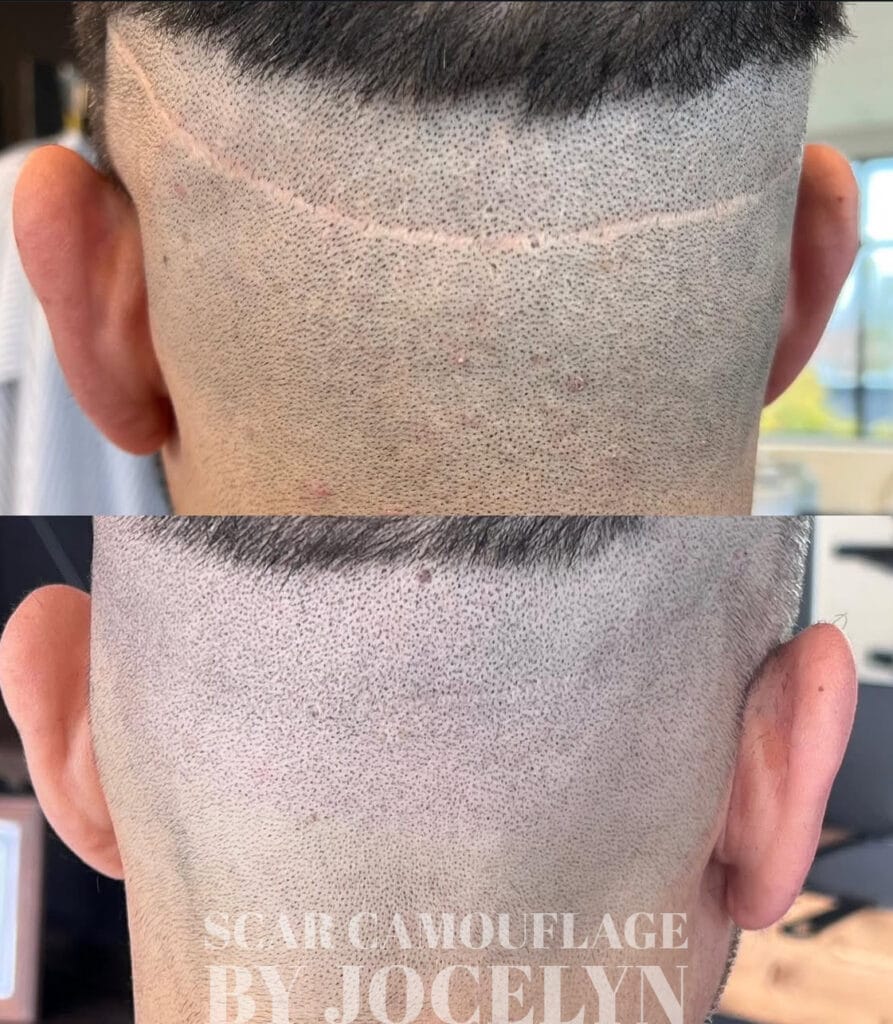
Scalp micropigmentation is a paramedical tattoo technique that creates the look of hair follicles on the scalp. It can simulate the appearance of a closely shaved hairstyle, add the illusion of density in thinning areas, or fill in patchy spots.
SMP can support:
- FUT & FUE hair transplant scars
General thinning hair
Receding hairlines
Crown thinning
Alopecia
Trichotillomania related hair loss
Scar coverage on the scalp, including scars from hair transplant procedures or injuries
SMP is a craft of detail. The pigment is placed in tiny impressions, matched in tone, and layered over multiple sessions to create a natural, balanced appearance.
Paramedical tattoo for trichotillomania
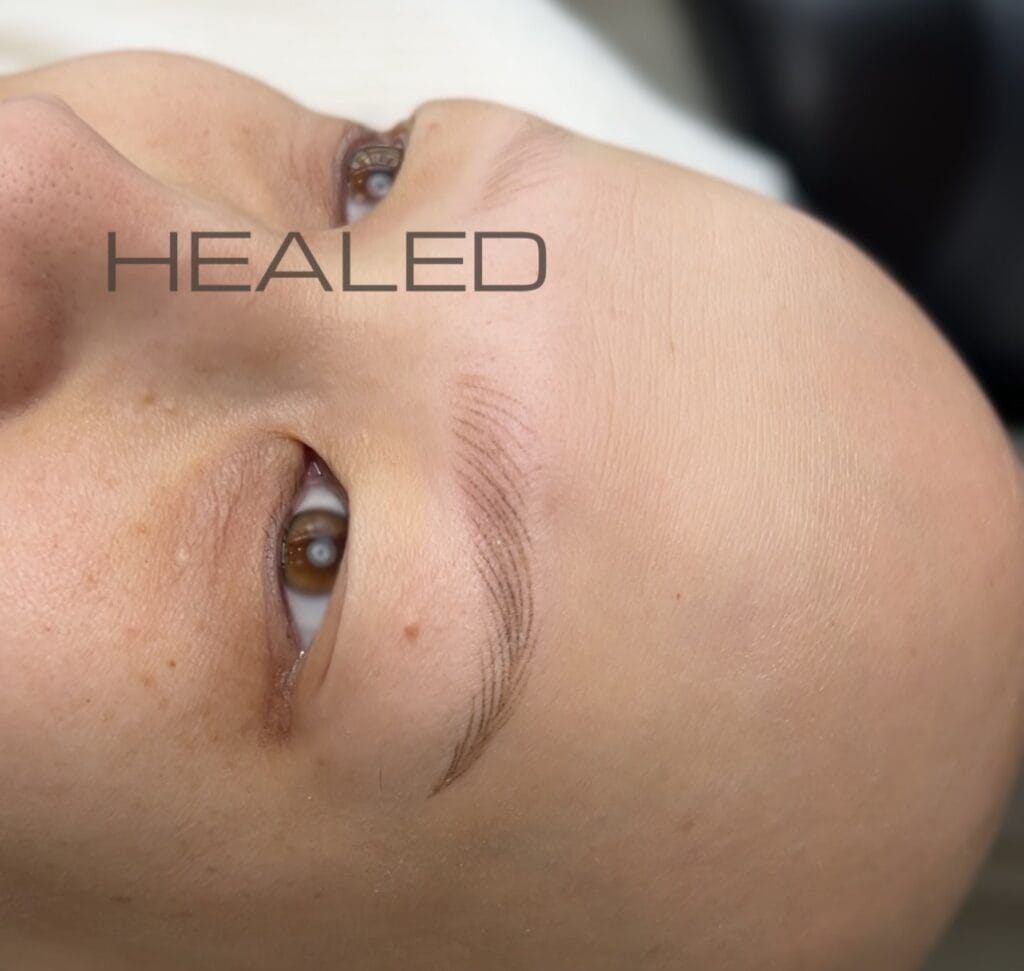
Trichotillomania is a hair pulling disorder that can lead to hair loss in the scalp, brows, lashes, or other areas. People with trichotillomania are often already carrying a lot. The last thing they need is a service that feels judgmental or rushed.
Paramedical tattoo can be supportive when the area is stable and you are ready for an option that reduces daily stress.
Depending on the area, paramedical tattoo may include:
SMP for scalp density appearance
Cosmetic tattoo approaches for brows when appropriate
Scar support if pulling has created scarring, once stable
A compassionate consultation matters here. The goal is to understand your pattern, your current hair situation, your sensitivity, and your desired outcome. It is also important to plan for long term comfort, because skin that has experienced repeated trauma can be more reactive.
Paramedical tattoo for alopecia
Alopecia can be unpredictable. It can be patchy or more widespread, temporary or long term, and it can shift over time. That uncertainty can be exhausting.
SMP can be a supportive option for scalp alopecia, and cosmetic tattoo services may support brow loss depending on the client’s goals and skin needs. For scalp work, the plan often includes:
A design that looks natural even if hair changes
Gradual layering over multiple sessions
Color selection that works with your skin and any existing hair
For many people, the win is not just appearance. It is relief. Less time thinking about what to wear, how to style, and how to hide.
Cleft lip scars and a combined approach with lip blush
Cleft lip repair scars can be beautifully healed, and they can still show contrast in texture or color. Because cleft lip scars sit in a highly visible area, small changes can make a big difference in how balanced the face feels.
A combined approach may include:
Scar camouflage techniques to soften visible contrast in the scar area when appropriate
Lip blush to support overall lip color balance and harmony
This is not one size fits all. The tissue on and around the lip can behave differently than other areas, and the plan must account for movement, sensitivity, and scar characteristics.
When done thoughtfully, combining scar blending with lip blush can create a result that feels like everything belongs together, rather than drawing attention to one specific area.
Read more about lip blush tattoo and scar camo tattoo for cleft lip scars here.
Dog bite scars and traumatic injury scars
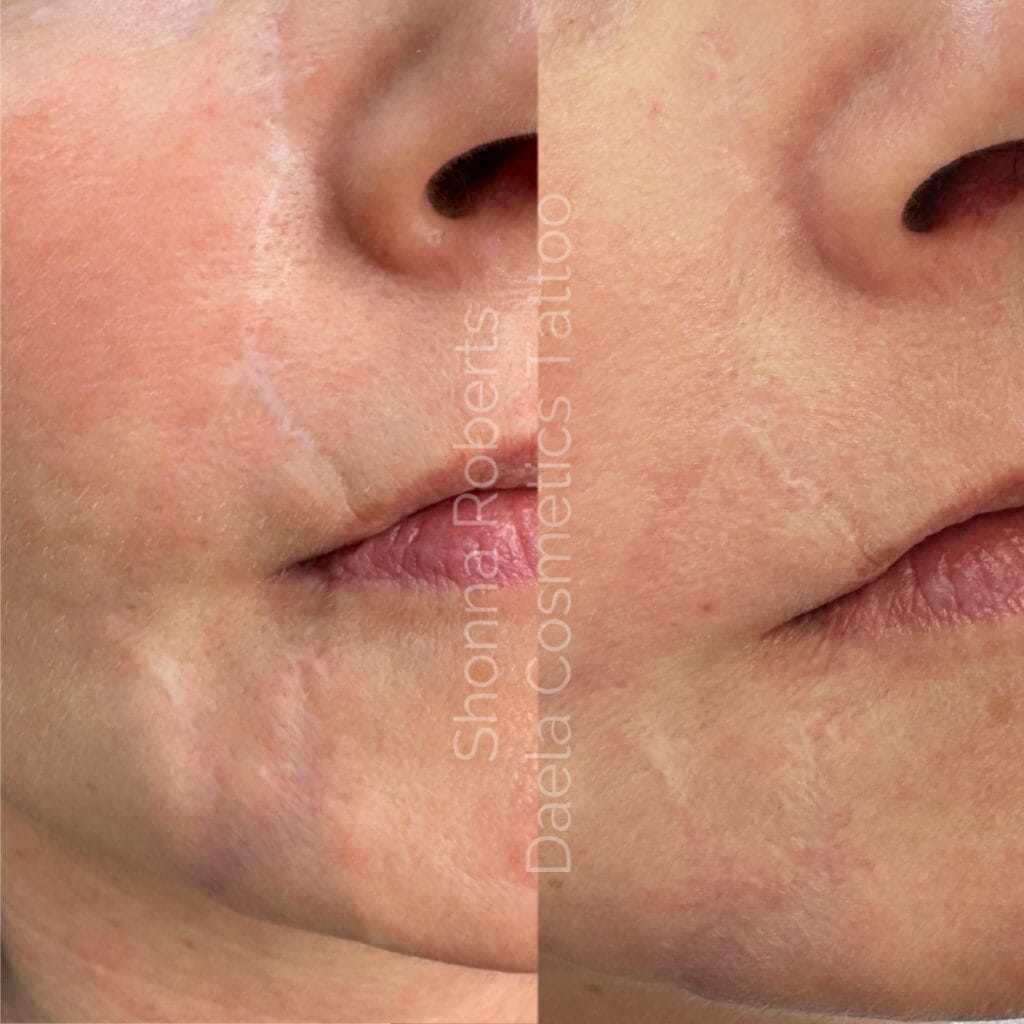
Dog bite scars and other traumatic injury scars can carry a lot. Sometimes they are tied to a single moment that changed everything. Sometimes they are tied to a long healing process. Either way, it makes sense to want options that help the scar fade into the background of your life.
Scar camouflage may be helpful for dog bite scars when:
The scar is fully healed and stable
The area is not actively inflamed
The color difference is a primary concern
Expectations are set around texture and shape, because bites often create uneven tissue patterns
Because dog bites can involve puncture patterns, jagged edges, and mixed scar types in the same area, this is where experience and planning matter most. The artist may recommend multiple sessions, and the pigment plan may evolve as the skin responds.
Facelift scars and facial scars
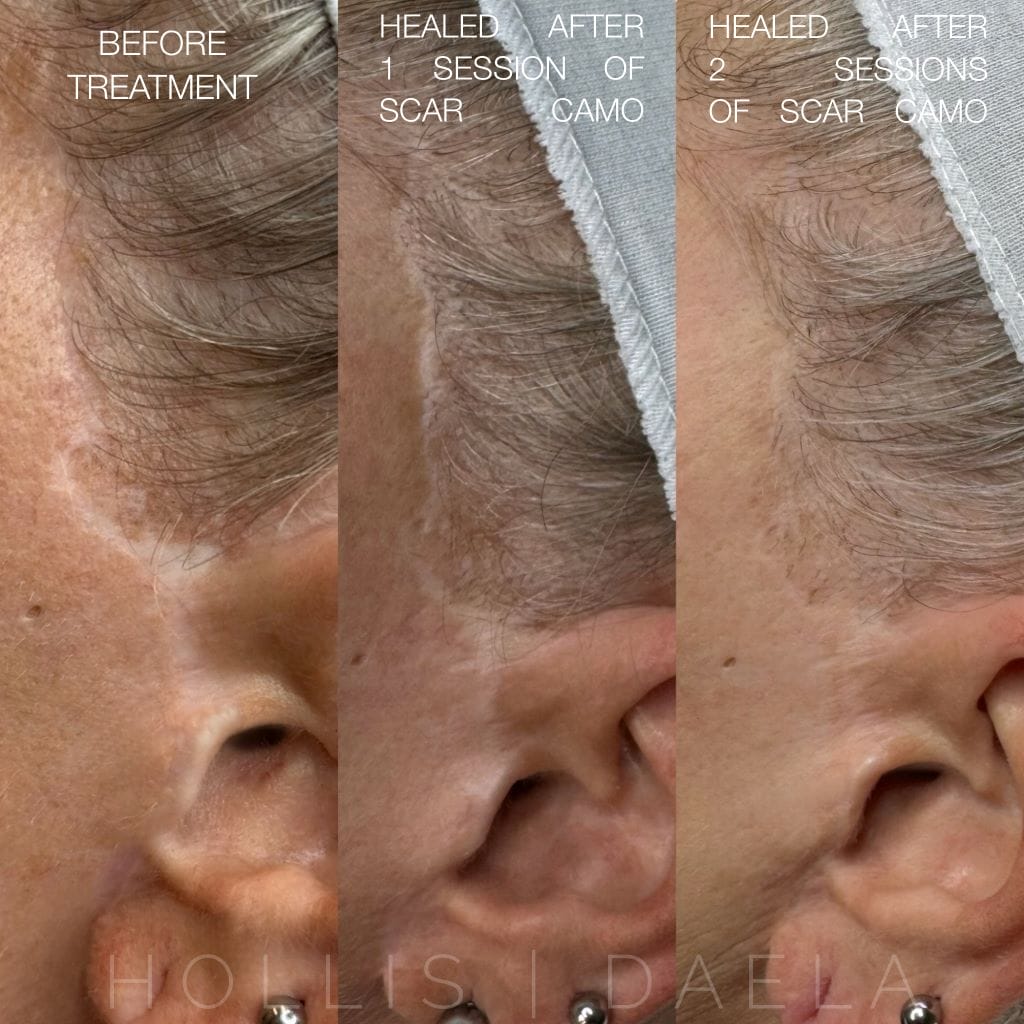
Facelift scars and lip lift scars are often placed in discreet areas such as around the ear, nose, or hairline, but the visibility can still bother someone, especially when hair is pulled back or in certain lighting.
Facial scars require a careful approach because facial skin:
Has strong circulation
Can be more reactive
Shows subtle color differences easily
Is highly visible, so the blending must be refined
Scar camouflage may help soften contrast, but it must be planned around scar maturity and skin tone. In some cases, combining camouflage with other supportive skin treatments can create a more comfortable overall result, as long as timing is appropriate.
This is a good place to link to a blog specifically about facial scar camouflage or facelift scar options.
Understanding scar types and what can and cannot be camouflaged
Common scar types
Flat, lighter scars
These are often the best candidates for camouflage because the main issue is contrast, not texture.
Flat, darker scars
These may be helped with color balancing and blending, but the approach depends on undertone and pigment behavior.
Hypertrophic scars
These are raised scars that stay within the original wound area. Texture can be more visible. Camouflage may help with color difference, but raised texture will still be present.
Keloid scars
These are raised scars that extend beyond the original wound area. They can be more unpredictable and may continue changing over time. In many cases, they are not ideal candidates for camouflage.
Atrophic scars
These are indented scars. Camouflage may help reduce contrast, but indentation can still create shadowing in certain lighting.
Stretch marks
Stretch marks are a form of scar tissue, often soft and delicate. Camouflage can help the color difference, and the plan must be gentle and layered.
Surgical scars
Surgical scars vary widely. Some are thin and flat. Others involve more complex tissue changes. They often respond well once fully healed and stable.
Traumatic scars
Traumatic scars can include multiple scar types in one area, making planning more complex.
Scar maturity and timing
A scar needs time to settle. Pigment placed too early can look uneven, and the skin may still be changing in tone and structure.
Many clients are ready for a consultation before they are ready for treatment. That is completely fine. A consultation can help you understand your timeline, your options, and what a realistic plan would look like for your specific scar.
What scars tend to be good candidates
In general, the best candidates are scars that are:
Fully healed and stable
Flat or close to flat
Not actively changing color
Not irritated or inflamed
Primarily lighter than the surrounding skin or have a manageable color difference
What scars may not be a good match for camouflage
Some scars may not be a good match when they are:
Still new and actively healing
Raised and continuing to grow or change
Highly reactive or frequently irritated
In areas where the skin is shedding quickly or friction is constant, which can affect pigment longevity
Extremely uneven in texture, where contrast is not the only visual factor
A compassionate artist will walk you through this without making you feel shut down. If camouflage is not the best fit, they should guide you toward options that make sense for your goals.
What to expect from the process
Paramedical tattoo can be a two appointment or multi appointment process. That is part of why the results can feel so meaningful. There is planning, customization, layering, and care.
Step one: consultation
Your consultation is where everything starts. You can expect:
A review of your skin and scar maturity
Discussion of your goals and what “natural” means to you
Color and undertone assessment
A plan for number of sessions
A discussion of healing, aftercare, and timing
Space for your questions, without pressure
Step two: custom pigment planning
Every skin tone is unique, and scar tissue absorbs pigment differently than unscarred skin. Pigment selection is not just about matching today, it is about creating a blend that stays beautiful as the skin heals and as pigment settles.
Step three: treatment sessions
While areola tattoos, lip blush tattoos, brow tattoos, and eyeliner tattoos are done in one session plus one touch-up session, most paramedical scar tattoo services are done in multiple sessions. This allows for:
Gradual building of color
Adjustments based on how your skin responds
Softer, more natural blending
Step four: healing and aftercare
Healing is part of the artistry. During healing, pigment can look darker, lighter, or patchy in stages. This is normal and expected.
Your artist will provide aftercare instructions tailored to your service. The basics often include:
Keeping the area clean
Avoiding soaking and heavy sweating during early healing
Protecting the area from sun exposure
Letting flaking happen naturally without picking
You will also want to link to your full aftercare resources and any dedicated before and after care blog posts.
Step five: evaluation and refinements
At your follow up, the artist evaluates healed results and plans refinements. This is where the work becomes beautifully customized. Many clients feel like the second session is where everything comes together.
Frequently asked questions
Does paramedical tattoo hurt
Most people describe it as manageable. Sensation depends on the area, your sensitivity, and scar tissue. Your artist can talk through comfort options and pacing so you feel supported.
How many sessions will I need
Many paramedical tattoo services require multiple sessions. Scar camouflage and stretch mark camouflage often take layering. Areola restoration also often benefits from more than one session to build dimension and balance.
How long do results last
Paramedical tattoo is long lasting, but pigment can soften over time. Longevity depends on your skin, sun exposure, skincare habits, and the area treated. Many clients choose refresh sessions as needed.
Can all scars be camouflaged
Not all scars are a good match. The best first step is a paramedical tattoo consultation so your artist can assess maturity, texture, and tone differences and create a plan that fits your skin.
Can I combine services
Yes. Some of the most meaningful transformations come from a combined plan, especially for breast surgery and top surgery where areola restoration and scar camouflage can work together.
A compassionate next step
If you are considering paramedical tattoo, you do not need to have it all figured out before you reach out. Your first step can be as simple as a conversation and an evaluation of your options.
Paramedical tattoo is about supporting your sense of self. It is about feeling comfortable, feeling seen, and having choices. When the approach is skilled and compassionate, the results can feel like a gentle return to you.